

Window Project
Tel: 577 553 553
E-mail: info@windowproject.co
Website: www.windowproject.co
Address: 1 A. Machavariani Street, 0179
Tbilisi, Georgia
presented works
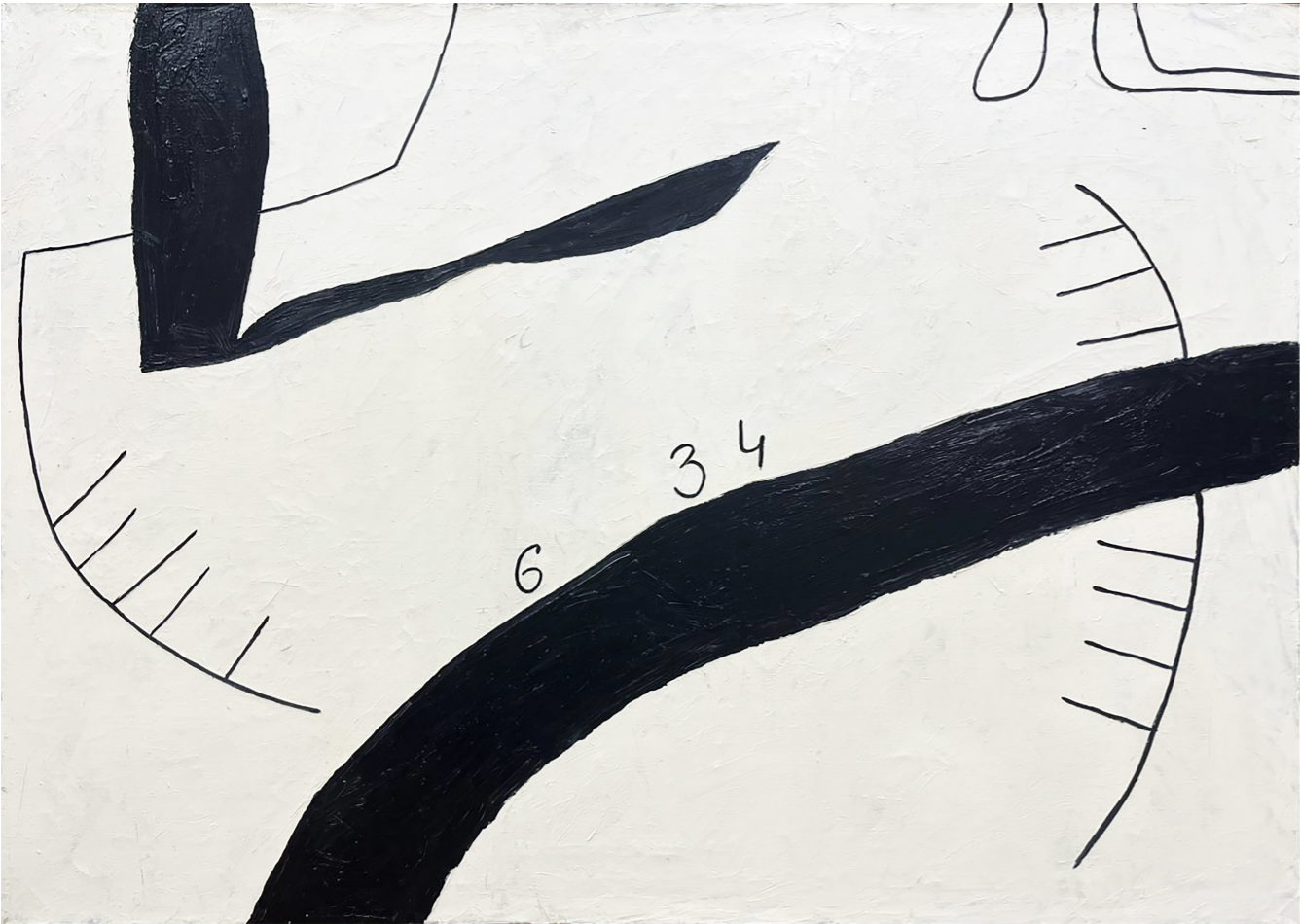
Gia Edzgveradze
Metaphysical Time
1982
Oil on canvas, 100 x 140 cm
45 000 $
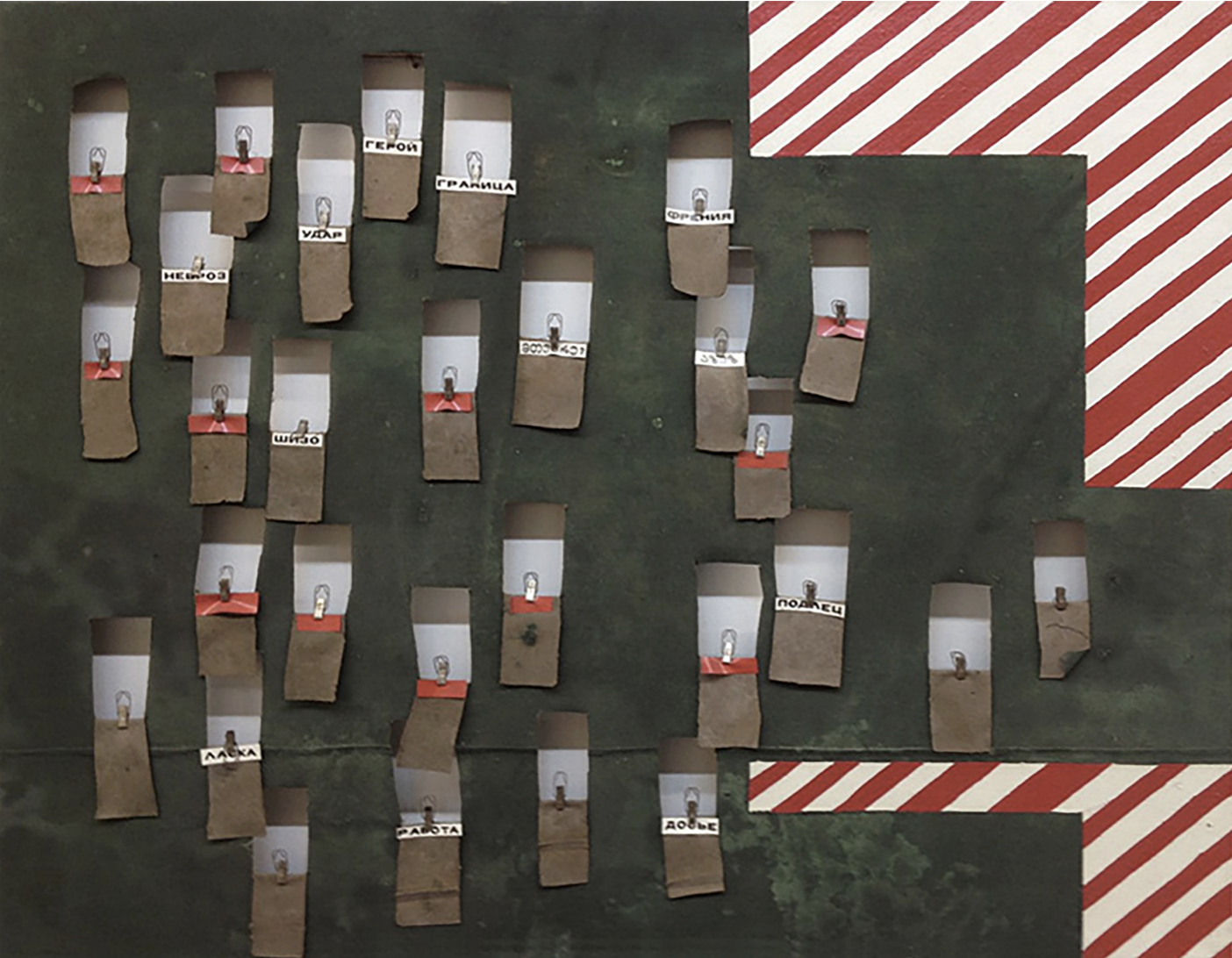
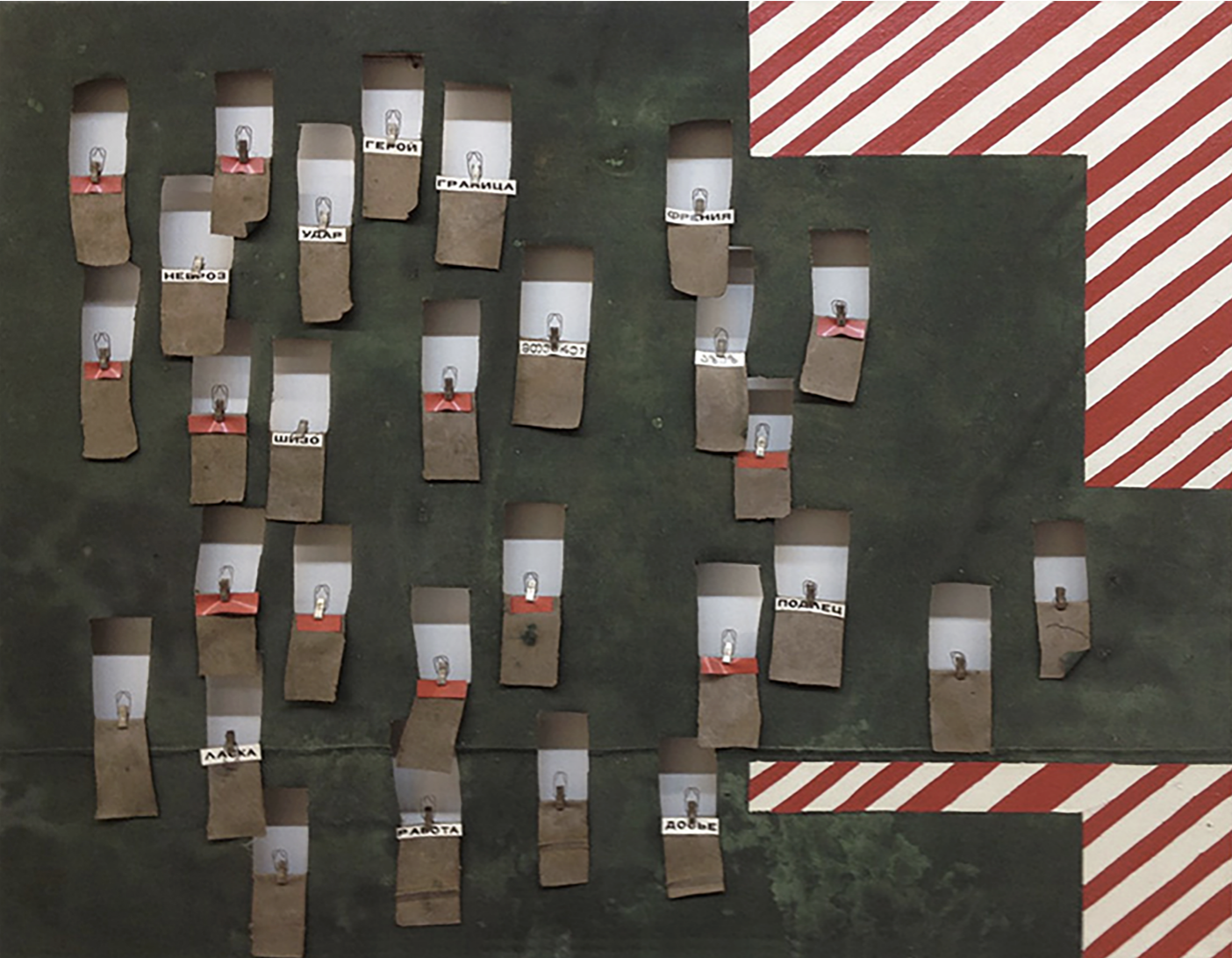
Koka Ramishvili
Border
1992
Oil, canvas, metal, 100 x 130 cm
40 000 $
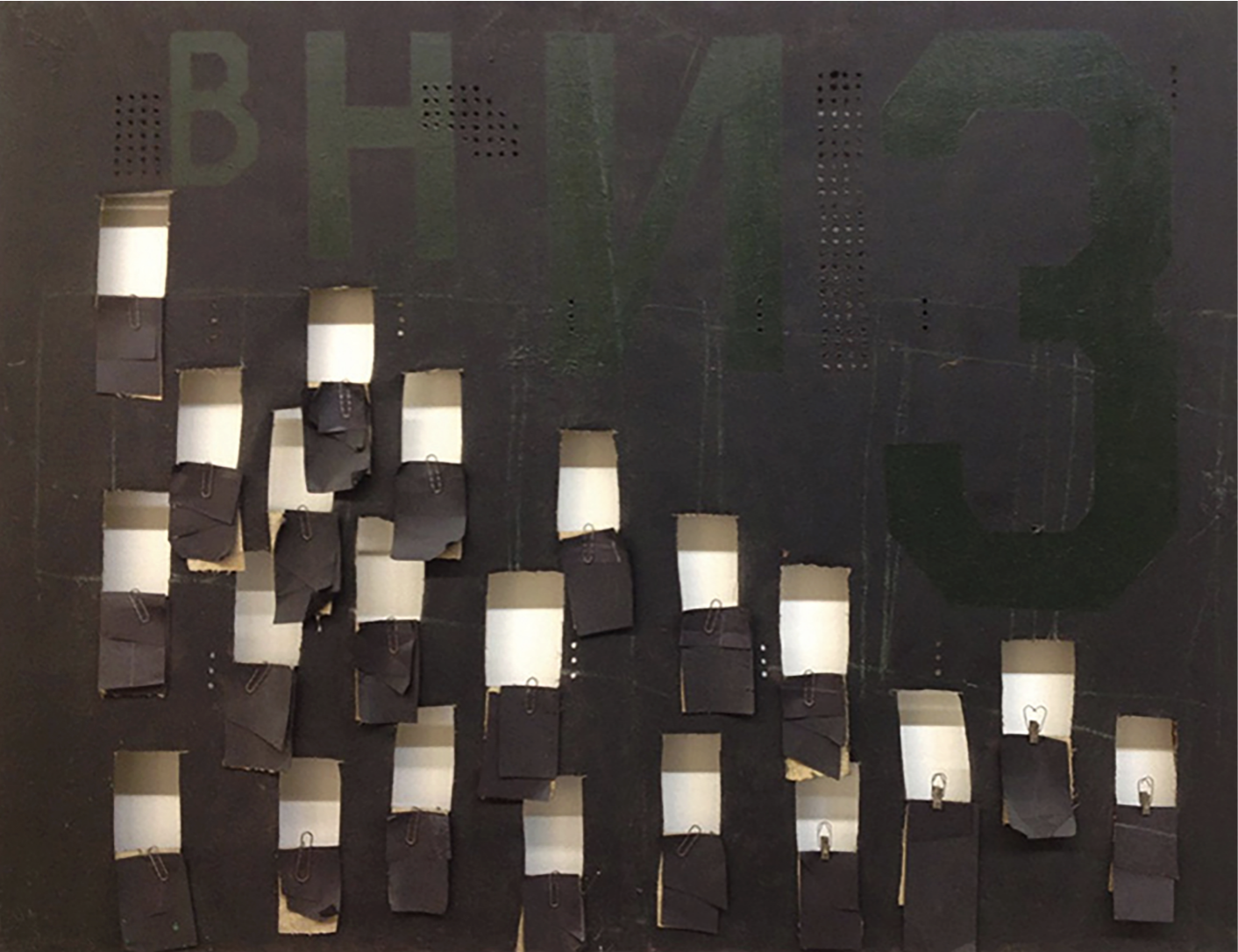
Koka Ramishvili
Down
1992
Oil, canvas, metal, 100 x 130 cm
40 000 $
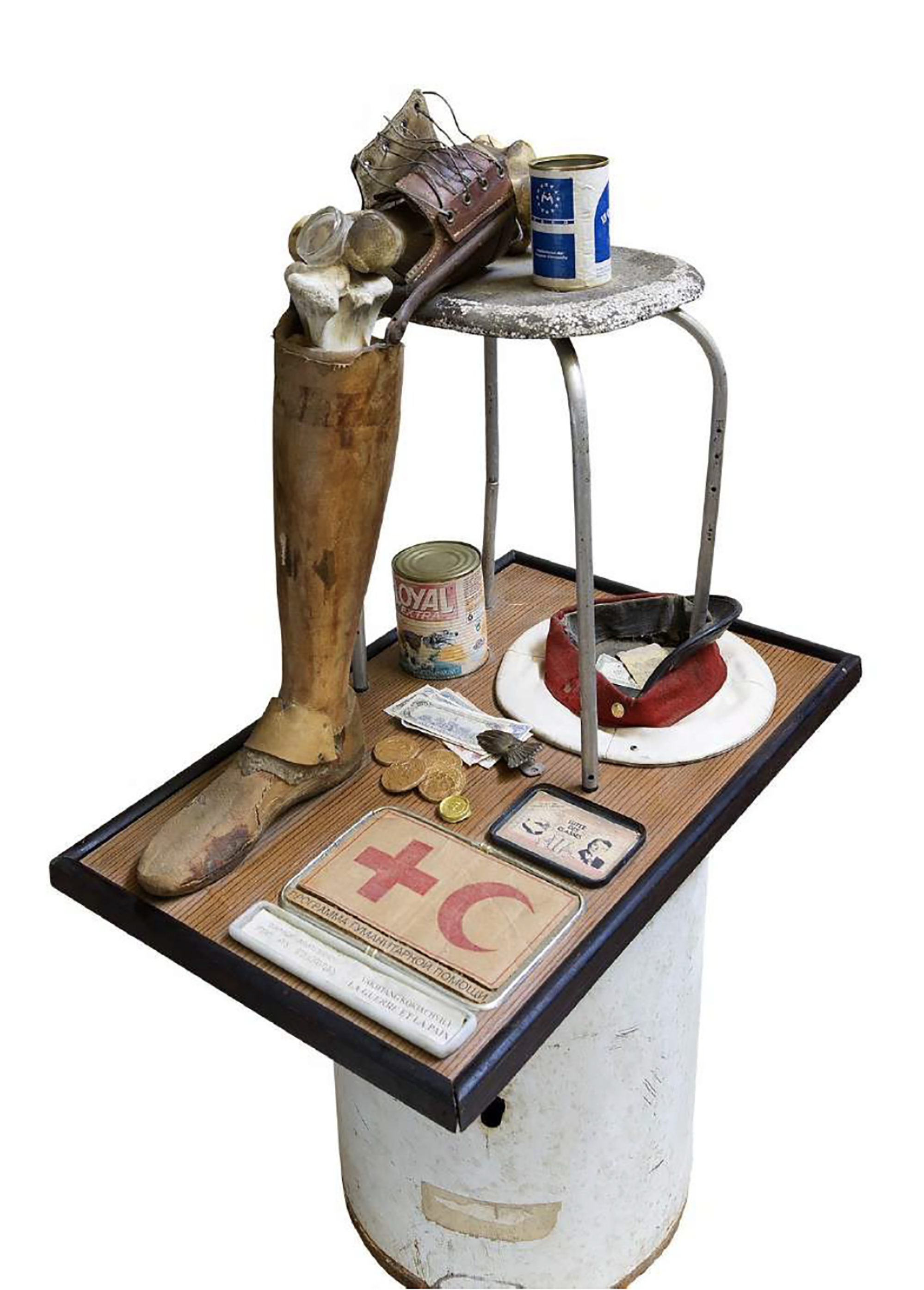
Vakhtang Kokiashvili
War and Peace
1994-2010
Metal, leather, wood, animal bone, paper, glass
67 x74 x 245 cm
35 000 $
For TAF – Tbilisi Art Fair 2026, Window Project is pleased to present a
selection of landmark works by Gia Edzgveradze, Koka Ramishvili, and
Vakhtang Kokiashvili, highlighting Georgia’s artistic evolution from the
late Soviet period to post-independence.
Gia Edzgveradze’s Metaphysical Time (1982) explores metaphysical
space through a black-and-white visual language, where line and void
form a symbolic, transcendent structure bridging the concrete and the
archetypal. Koka Ramishvili, in his works Down (1992) and Border
(1992), extends painting into sculptural and spatial dimensions,
transforming canvases and found materials into reflective
environments that examine perception, materiality, and the residue of
ideology. Vakhtang Kokiashvili’s War and Peace (1994–2010) advances
into assemblage, collage, and installation, layering traditional
Georgian imagery with contemporary symbols to confront the social
and cultural ruptures of the post-Soviet era.
Together, these works articulate a dialogue between abstraction,
materiality, and cultural memory. They function both as aesthetic
propositions and as historical markers, offering a critical lens on
Georgia’s evolving visual and intellectual landscape, where painting
and object-making operate as instruments of cultural reflection and
philosophical inquiry
artists presented
Artists: GIA EDZGVERADZE
KOKA RAMISHVILI
VAKHTANG KOKIASHVILI
GIA EDZGVERADZE
METAPHYSICAL TIME
In Sanskrit literature, the concept of “Shukla” (शुक्ल) carries profound
significance. It denotes a primordial state, a pre-temporal origin from
which everything emerges and to which everything ultimately returns.
Unlike the black void of a black hole, shukla symbolizes a white
expanse—pure, transcendent, and fertile. In my artistic practice,
particularly in my black-and-white paintings, I associate the white
background with shukla—a metaphor for transcendence, innocence,
and the zero-degree foundation of creation. The white space in my
work serves as a virginal field, unmarred yet marked by black lines that
resemble wounds—interruptions in the purity of this space. These lines,
dynamic and calligraphic, introduce a sense of drama, though only as
latent potential. This dichotomy between black and white is, in
essence, a pure, symbolic script—a framework through which the
world itself is inscribed. The signs and symbols I employ are
polyvalent signifiers, unbound by fixed meanings, capable of
representing any event, object, word, or image. They exist in a state of
expressive freedom, converging to form a kind of cosmos—a
manifestation of pure mind, perhaps echoing Kantian purism. This
interplay of black and white articulates a metaphysical narrative, a
scenario of existence viewed from a transcendent vantage point. I
often describe this perspective as "the other shore"—a gaze from
beyond the river of life. From this vantage, one perceives the human
and cosmic drama with a clarity that is detached yet profound,
capturing the world in its most archetypal and universal form. My
black-and-white paintings thus trace my artistic and philosophical
evolution. They encapsulate a vision of the world that oscillates
between the concrete and the transcendental, embodying a tension
that is both aesthetic and metaphysical. This approach, rooted in
symbolic purity and universal signification, remains a central axis of my
creative practice.
Gia Edzgveradze
KOKA RAMISHVILI
1992
Between 1989 and 1992, Koka Ramishvili’s work navigated the thresholds of
painting, sculpture, and space, transforming surfaces into three-dimensional
environments that interrogated perception, materiality, and spiritual reflection.
Through cutting, folding, and reconfiguring canvases, fabrics, and salvaged
materials, he explored the residue of ideology while creating austere, meditative
compositions that balance presence and absence, form and void.
Drawing on modernist abstraction, minimalism, and conceptual strategies
filtered through Georgia’s unique cultural context, Ramishvili infused his practice
with mythic, historical, and spiritual resonances. Ordinary or historically charged
materials—tarpaulins, military textiles, and other found objects—were rendered as
metaphysical surfaces, where memory, consciousness, and ethical inquiry
intersect.
These formative works establish Ramishvili’s signature approach: a rigorous,
contemplative investigation of spatial and material potential, where perception,
history, and philosophy converge to create environments of reflection, tension,
and quiet revelation.
VAKHTANG KOKIASHVILI
Vakhtang Kokiashvili’s works from the 1990s to 2010 reflect a significant shift in
both form and content, shaped by the profound political and social
transformations that followed the collapse of the Soviet Union. During this
period, Georgia experienced political instability, economic crisis, and a
redefinition of national identity. Kokiashvili responded to these changes through
an expanded artistic language, turning increasingly toward assemblage, collage,
enamel works, installations, and abstract painting. These mediums allowed him
to incorporate fragments of material culture and visual symbols that echoed the
fractured realities of the post-Soviet condition.
In contrast to the earlier decades of his practice, where mythological, religious,
and ethnographic motifs often carried symbolic or cultural resonance,
Kokiashvili’s later works more directly engage with political themes. His
compositions frequently juxtapose traditional Georgian imagery with elements
drawn from contemporary visual culture, mass production, and political
iconography. This strategy reflects a critical awareness of how identity and
history were being renegotiated in the newly independent state. Through
layered surfaces and assembled objects, the works evoke the tensions between
collective memory and the emerging political order.
The pop-art series developed by Kokiashvili in the 1990s exemplifies this shift.
Borrowing visual strategies associated with pop culture, repetition, graphic
clarity, and the use of familiar symbols, the artist recontextualised them within
the Georgian political landscape. Rather than celebrating consumer culture,
these works often function as subtle commentary on the rapid
commercialisation and ideological shifts that accompanied the transition to a
post-Soviet economy. The interplay of bright surfaces and symbolic imagery
creates a visual language in which humour, irony, and critique coexist.
Kokiashvili’s approach during this period can be understood as a horizontal
expansion of artistic practice. Instead of focusing on a single medium, he
explored multiple forms of production simultaneously, allowing political and
cultural themes to circulate across painting, object-based work, and installation.
This multiplicity reflects his long-standing interest in the relationship between
art, design, and public space, while also emphasising the role of the artist as a
critical observer of social change.
Through these works, created between 1990 and 2010, Kokiashvili
demonstrates how artistic experimentation can intersect with political reflection.
His practice during this period situates personal expression within a broader
cultural and historical framework, offering a visual commentary on the
uncertainties and possibilities that accompanied Georgia’s transition from a
Soviet republic to an independent state. The works reveal an artist who
continued to question systems of meaning and representation, using material
experimentation and symbolic language to address the political realities of his
time.