

David Kakabadze Foundation
Tel: 577460614
E-mail: foundationkakabadze@gmail.com
Address: 14 Murman Lebanidze str. Tbilisi, Georgia
Website: Under construction
presented works
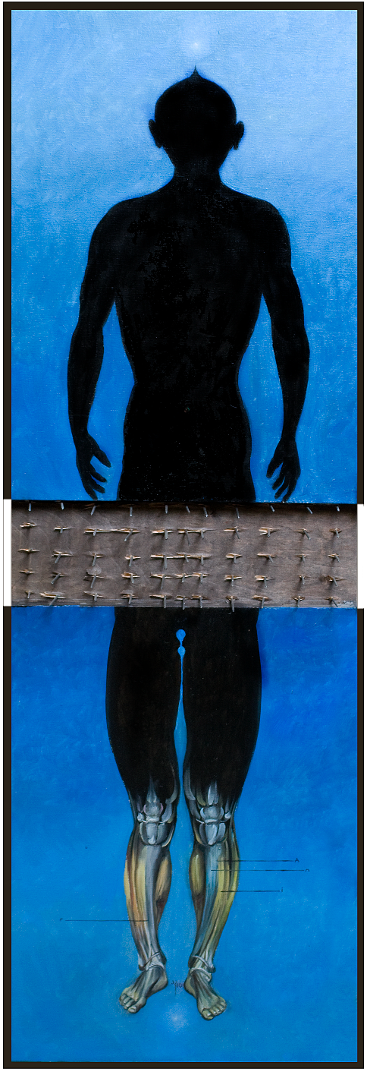
Male Figure
Amir Kakabadze
Canvas, oil
150 x 51
2010
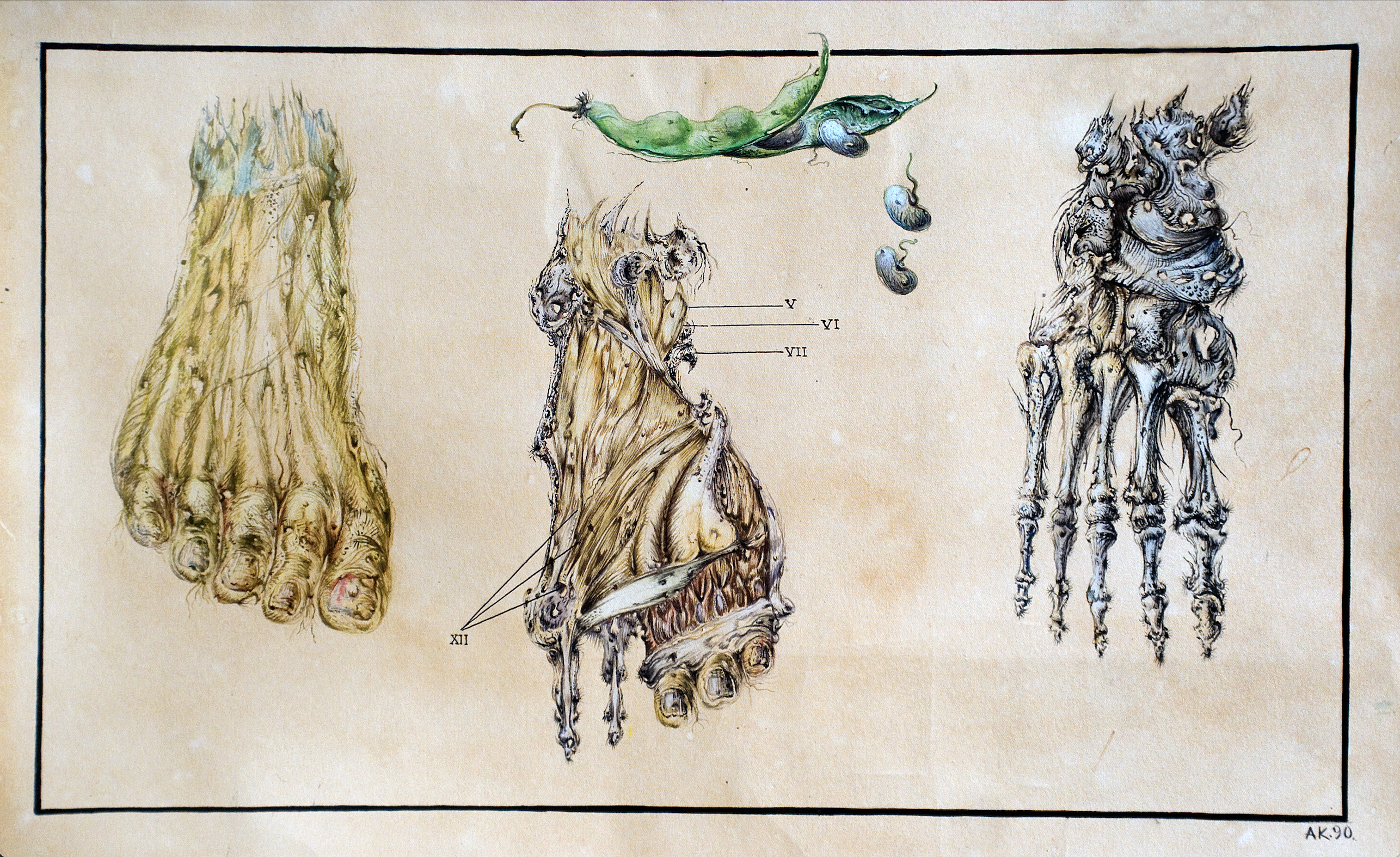
Anatomy of a Foot
Amir Kakabadze
Paper, gouache
28 x 46 cm
1990
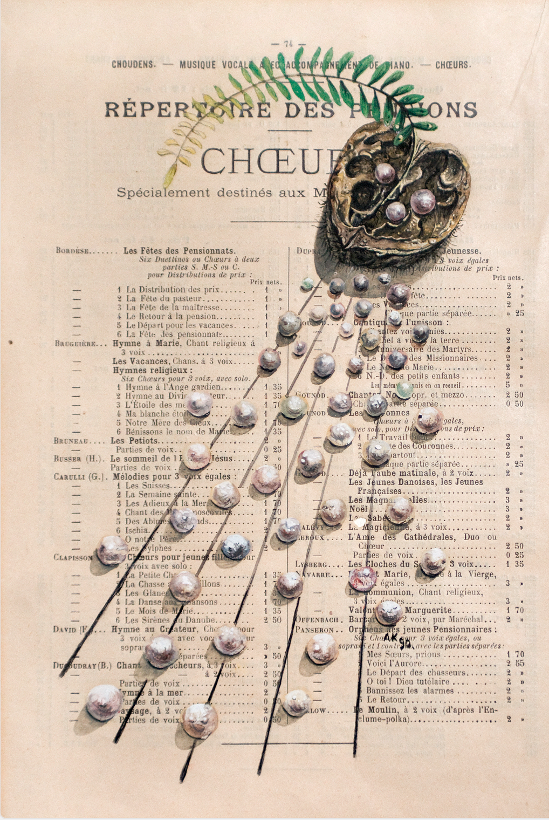
Pearls
Amir Kakabadze
French book paper, gouache
28 x 19 cm
1990
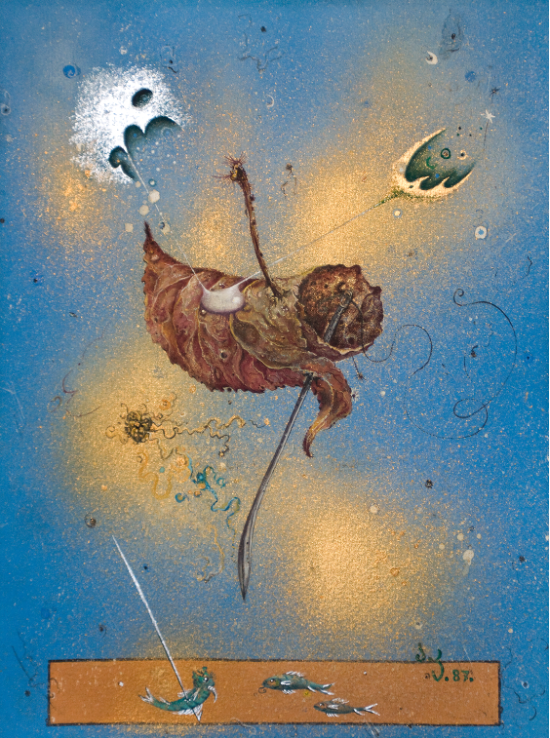
Blue Series
Amir Kakabadze
Paper, gouache
29 x 23 cm
1987
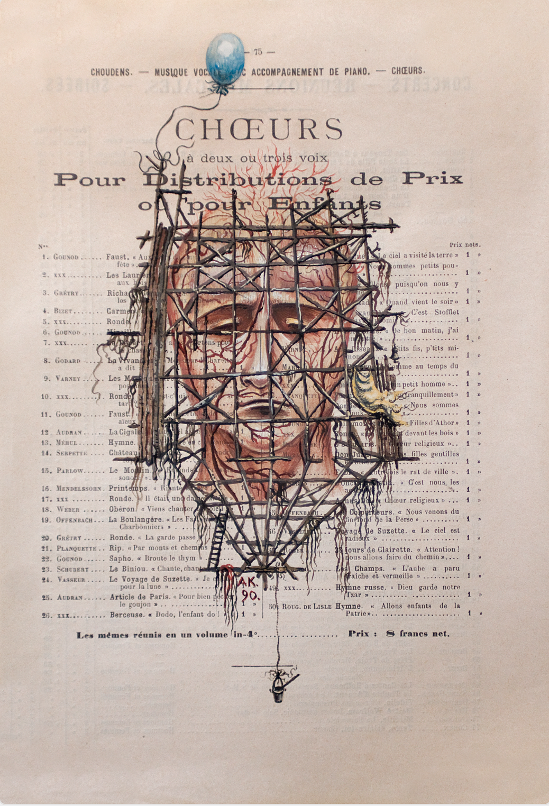
Face in Scaffolding
Amir Kakabadze
French book paper, gouache
29 x 20 cm
1990
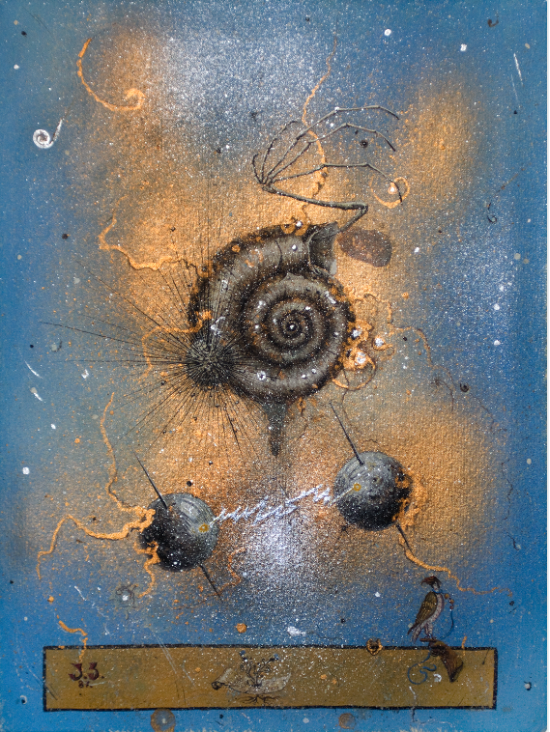
Blue Series
Amir Kakabadze
Paper, gouache
29 x 23 cm
1987
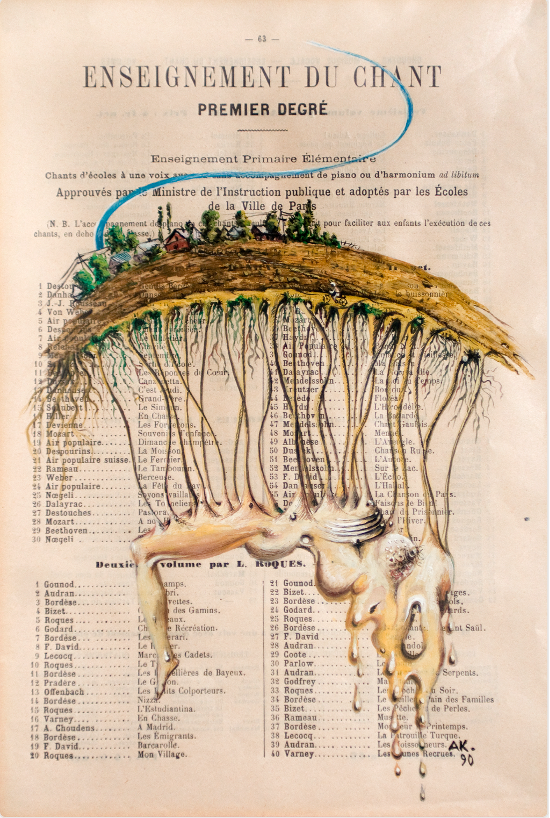
Metamorphoses
Amir Kakabadze
French book paper, gouache
28 x 19 cm
1990
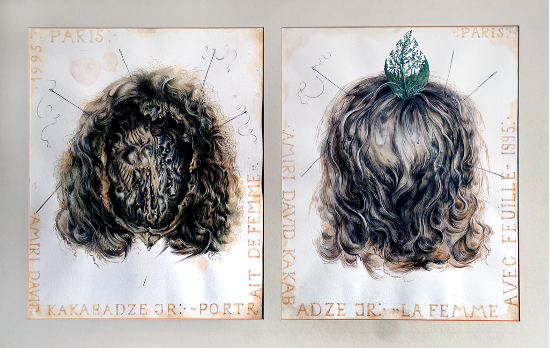
Portrait of a Woman (diptych)
Amir Kakabadze
Paper, gouache
1995
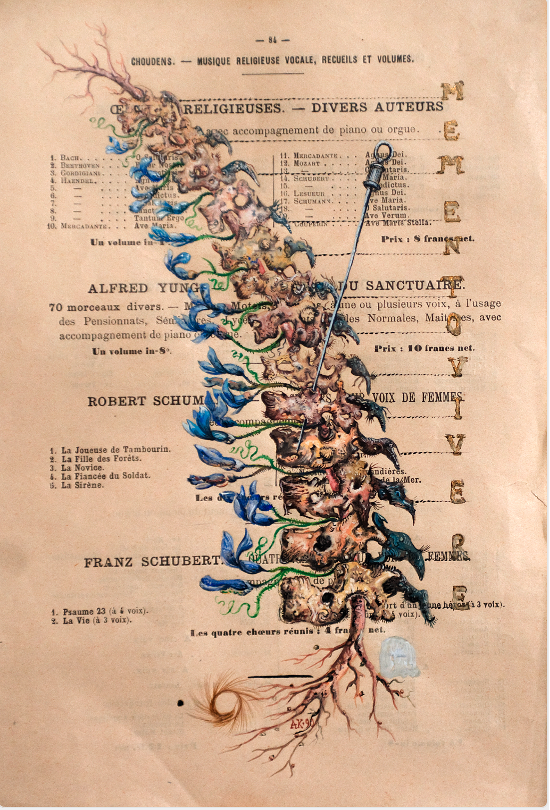
Composition
Amir Kakabadze
French book paper, gouache
28 x 19 cm
1990
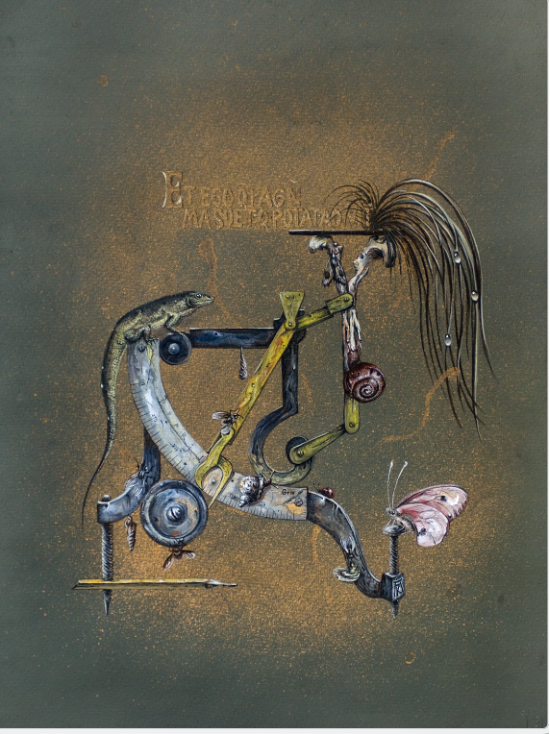
Amir Kakabadze
Scales
Paper, gouache
48 x 35 cm
1991
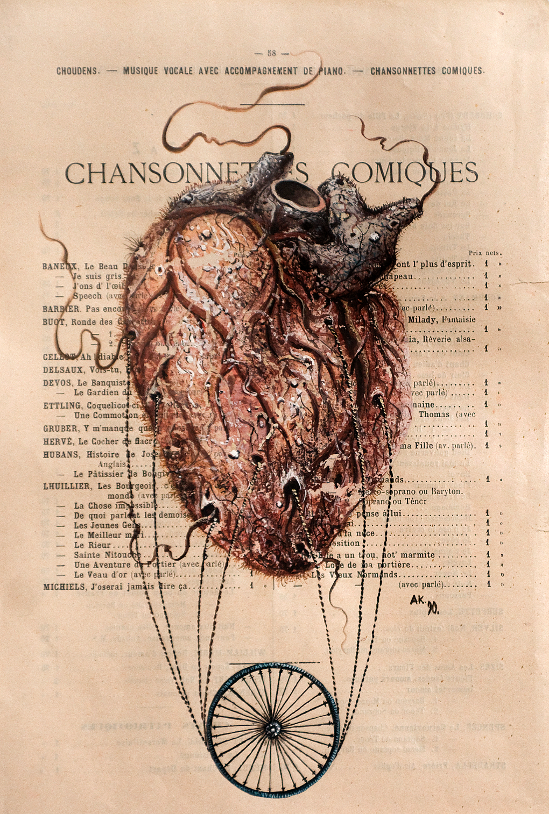
Heart
Amir Kakabadze
French book paper, gouache
28 x 19 cm
1990
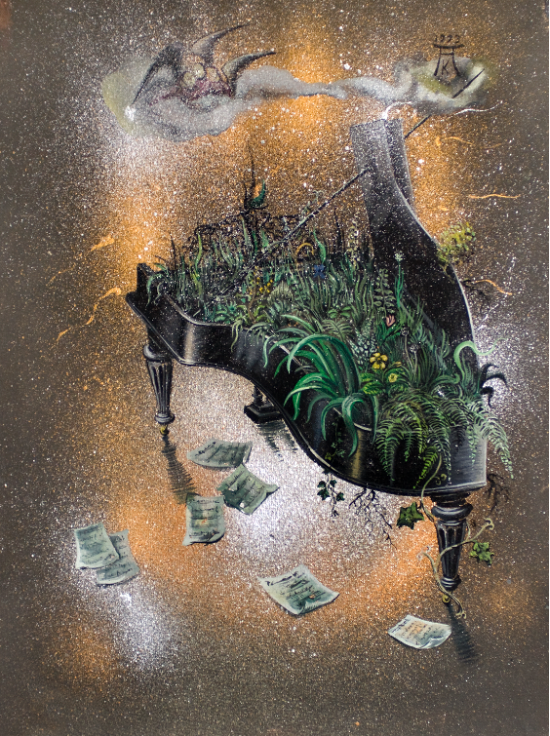
Music
Amir Kakabadze
Paper, gouache
48 x 35 cm
1994
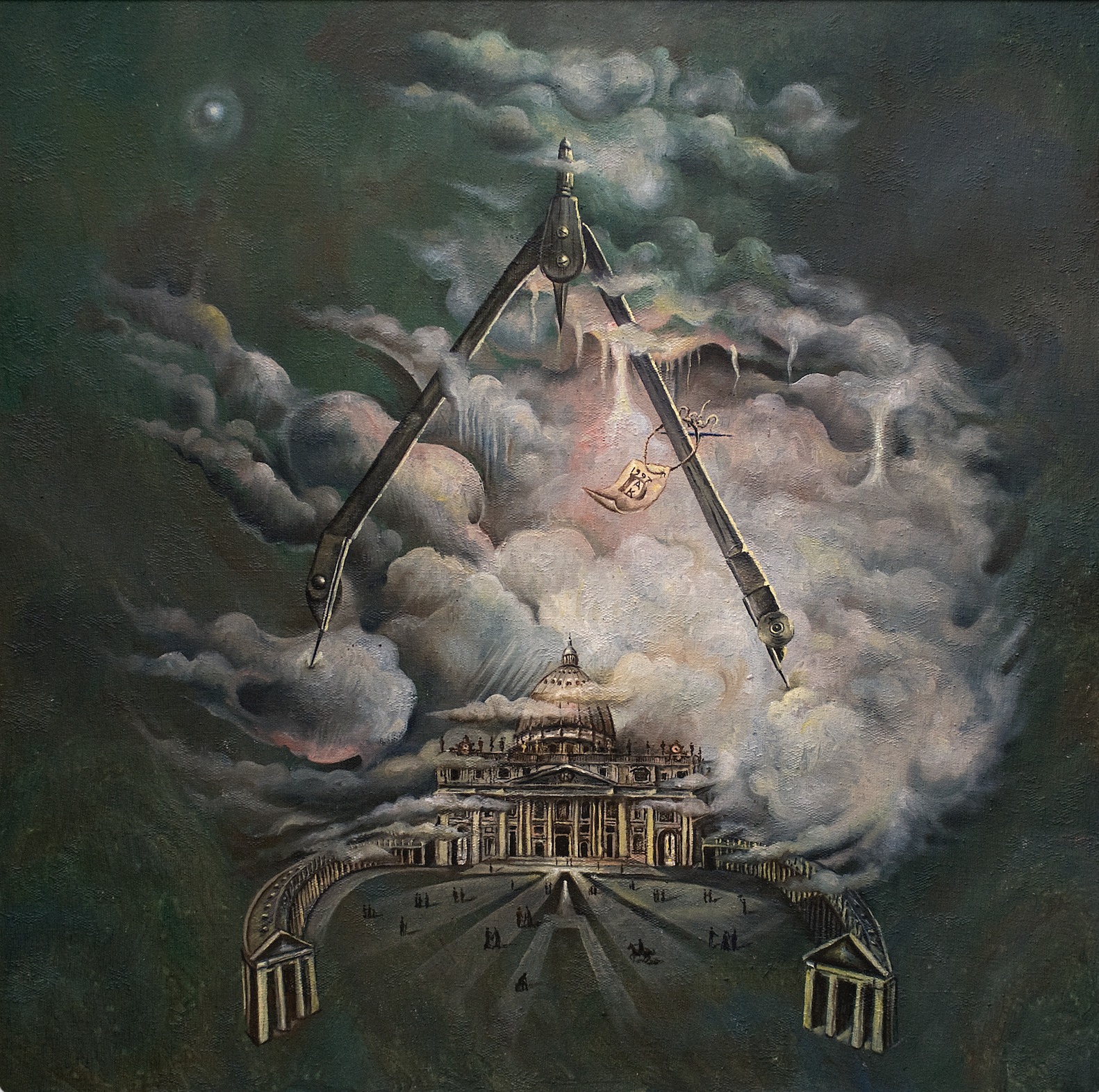
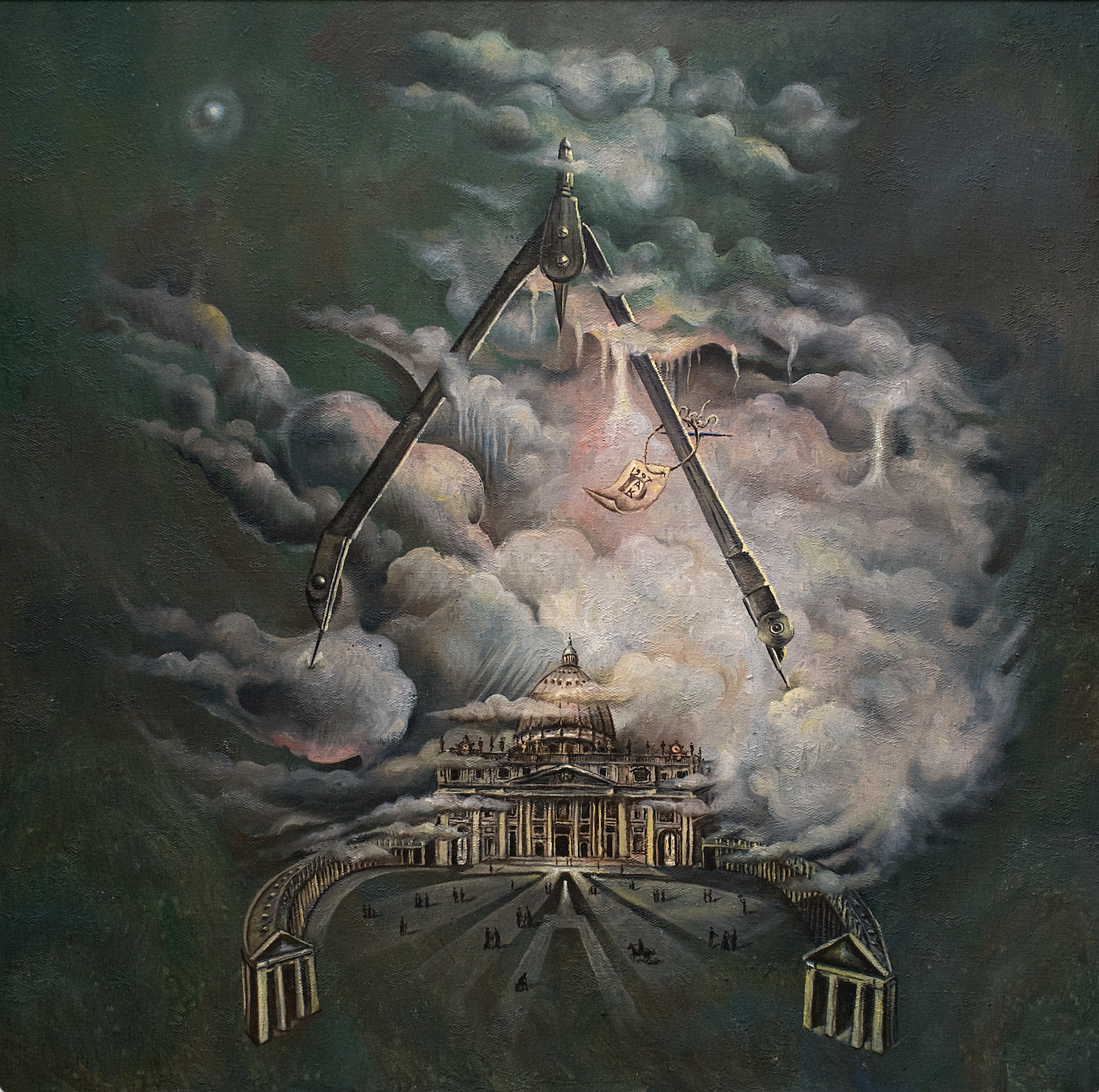
St. Peter’s Cathedral
Amir Kakabadze
Canvas, oil
100 x 100 cm
1997
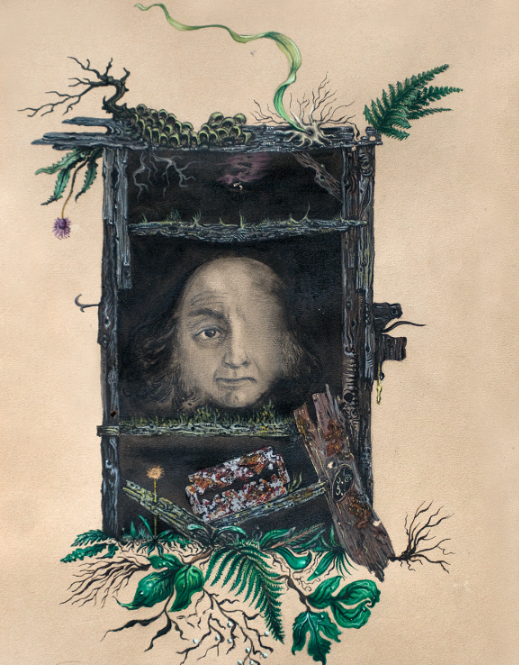
Self-Portrait
Amir Kakabadze
Paper, gouache
30 x 23 cm
1985
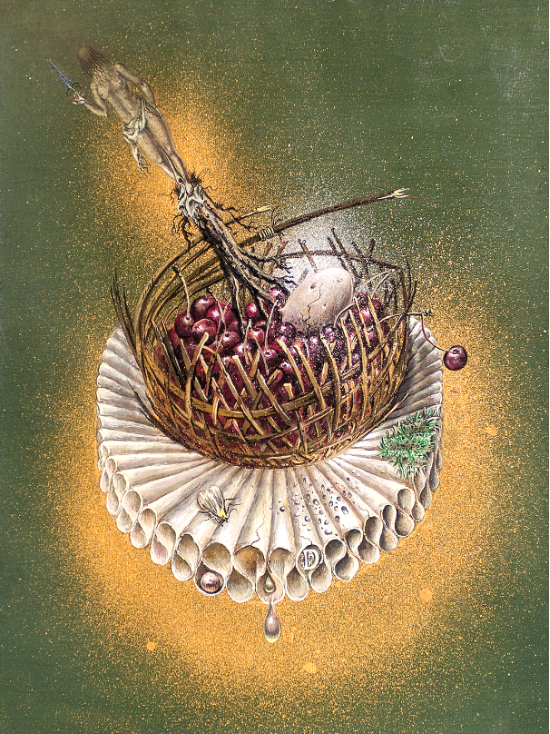
The Cherry in Jabot
Amir Kakabadze
Paper, gouache
48 x 35 cm
1994
Manifesto of the Moving Eye
From the perspective of the history of modernist painting, the work of Amir Kakabadze belongs to an international constellation of subjective and original artistic visions. Throughout his life, he possessed the ability to perceive the concealed and to demonstrate an emphatically authentic model of seeing, consistently maintaining an unchanging style and a distinguished artistic manner, qualities that are fully preserved in the examples of his artistic legacy. Amir Kakabadze’s entire oeuvre may be regarded as a dedication to the exploration of Surrealism, a creative inquiry into one of the central themes of modernist consciousness, where the focus lies on what is irrational, situated on the boundary between the terrifying and the alluring, the strange and the dreamlike. Each of these elements defined every detail of his daily life as an artist.
Amir Kakabadze is among the first of his generation of Georgian artists to view Dada and Surrealism from a temporal distance, enriching general historical experience with the content of a new epoch, infusing it with a personal dimension, and summoning it from the past toward renewed discursive territories. He is a contemporary artist in the term’s most relevant meaning for current artistic processes, as Neo-Surrealism is one of the significant tendencies in modern art, evident in leading artists of the latest developments, expressed through a degree of freedom that is equally characteristic of Amir Kakabadze.
For him, Surrealism sometimes becomes an experimental method, an attempt to comprehend the history of painting and its great figures, as if entering into a dialogue with them. In his descriptions of the world, the exceptional moments of art history become the actors of a surrealist mystery, emerging in various forms and meanings. The composition Wheel of the World (paper, gouache, 48 × 36 cm, 1993), constructed through associations with medieval manuscript illuminations, is a meeting with Dürer in the form of compositional variations on his Nemesis. Kakabadze transforms the sphere on which Dürer’s goddess stands into a wooden wheel, with one section a semicircular rope bearing birds; on the wooden structure, silhouettes of buildings appear, while miniature winged angels and saints are scattered across it. At the center, Dürer’s famous monogram is transformed, replaced with the artist’s own initials (A.K.) instead of A.D.
Amir Kakabadze delights in free, playful interpretations in his works. The pleasure he derives from composing imagery inspired by encounters with various themes or authors defines the expressive power of his art, an ongoing testing of the boundaries of visual sensitivity that reveals new, unexpected transformations each time. He personally embodies the “recordings” of the surrealist journey of the eye. The triptych Moving Eye (collage, glass, gouache, 2005) presents a fluid, shifting image with an oblique reference to the well-known episode in Dziga Vertov’s film in which the camera delivers a monologue1. Yet, unlike Vertov’s assertive and all-encompassing rhetoric, Kakabadze is more concerned with what happens to the human mind when it perceives something mostly hidden, something not easily graspable.
Amir Kakabadze’s gaze pursues metamorphoses and arranges them into visual schemes. These images are complex, densely packed with details, arising within an abstract space and operating under a system of visual conventions, yet simultaneously creating the illusion of easy legibility. As soon as the viewer looks closely, they immediately become aware of a collision with a complex visual structure, one that presents numerous riddles to be deciphered.
Several fundamentally and consistently developed themes must be included in any concise outline of the key determinants of Amir Kakabadze’s artistic vision: three-dimensional versions of geometric abstraction in the form of objects; readymades constructed through the synthesis of textured surfaces and everyday items; collages that generate paradoxical effects; and paintings distinguished by the vastness of Surrealist imagination. Amir Kakabadze’s work is a significant part of the history of contemporary Georgian art, where the experience of Georgian Modernism serves as a foundation for filling the gaps created during the Soviet period and for entering into dialogue with the active present. Through this diverse experience, he becomes an artist of psychological formulas, marked by the sensitivity of exposed nerves and the paradoxes of Surrealism. Within the variety and abundance, he offers, it is challenging to find exhaustive verbal definitions. His works seem to conceal additional meanings, riddles, and hidden layers of mystery; thus, Amir Kakabadze’s art resembles a perpetually open, disarmingly questioning question.
Self-portraits are plentiful in his complex and expansive archive. The artist periodically returns to this genre, continually discovering new forms through which to articulate consistent statements about his artistic vision, his uncompromising attitude, and his principles. He presents himself immersed in the history of painting, where the central role belongs to the abstraction of sight. This force liberates the imagination and allows it to travel into the infinity of the world. Here, the boundary between reality and invention disappears. Through the presentation of self, the artist continues that part of art history in which the self-portrait reflects on the artist’s function, role, and responsibility.
The deconstruction of form becomes, for Amir Kakabadze, an intellectual game in which references to academic drawing, art history, and their modernist reinterpretations unfold across multiple variations, unified by the rhythmically accentuated motif of the eye.
In one expressive self-portrait (paper, gouache, 48 × 36, 1994), the central head (in three-quarter view) stands on massive tree roots; the surrounding chaos is composed of levitating objects, eyes, ears, shells, fragments of internal organs, sharp tools, and so forth. In another version of self-portrait (canvas, oil, 50 × 100, 2011), three heads appear from different angles, with a ruler-like numbered band around the neck, alluding to a mug shot. In yet another work (paper, gouache, 42 × 72, 1997), symmetrical profiles are joined by “roots”, one rendered more realistically, the other mask-like.
The theme of the self-portrait in Amir Kakabadze’s art is dramatic, yet somewhat “camouflaged” by associations with the aesthetic of surrealist illustrations reminiscent of science fiction.
The strange and irrational deformations, constructed in keeping with the Surrealist tradition of conveying the subconscious, bear an intense individualism in Kakabadze’s works. Simultaneously, he speaks with the assured frankness of a recognized artist fully confident in his own world, one sustained by self-sufficient vitality and fullness. He delights in the autonomy of his personal space, beyond which external events lose significance.
Within the hallucinatory fabric of the subconscious, the body is a central motif in Kakabadze’s art, serving as a complex metaphor and representing various forms of surrealist metamorphosis. Through these transformations, he reveals a nature existing beyond the material world, expressed in unexpected textures: the body may become an object, a landscape, or music. A body reminiscent of an ancient sculpture may be crowned with an apple head placed on a plate, or a plant, with its roots, stem, and foliage, may grow through the palm of a hand.
Objects That Are Not Objects… At times, Magrittean allusions are readily discernible, moments in which the everyday and the banal reveal themselves as mystery. Particularly elegant and lightweight is the series in which visual images emerge on musical manuscripts, psychological scenes depicting encounters between music and image, where compositions abstract in content acquire figurative clarity. Amir Kakabadze was consistently fascinated by the interaction of textual and visual signs. In many works, the printed background and the phantasmagorias placed upon it form a living interplay that coalesces into striking frames within the series of metamorphoses. As in much of Surrealist art, these images frequently create an atmosphere of “enigma,” yet this outcome alone was never sufficient for the artist; behind this mysterious effect lies a reality far more complex and difficult to decode.
In various assemblages, contrast determines the principal impression. The “outdatedness” of everyday objects disappears, and against a textile background covered with semantic ornaments, a three-dimensional jewel-like motif cites the language and representational models characteristic of historical painting (Untitled, assemblage, textile, metal, wood, 45.3×41.3×2cm, 1979). Architectural motifs often resemble stage décor, yet, alongside unreal insertions, they create tension, where the allusion to linear perspective and dreamlike imagery jointly convey unease and psychological intensity.
Amir Kakabadze was born in 1941 in Tbilisi and raised in the family of two prominent representatives of Georgian Modernism, painters David Kakabadze and Eter Andronikashvili.[Text Wrapping Break]Researchers of his oeuvre often pay special attention to an early photographic portrait in which the young artist poses against the background of a David Kakabadze painting. Already at the outset of his career, he was keenly aware of the essential dilemma that would accompany him throughout his life: the expectations of society toward him as the heir of David Kakabadze, and, in contrast, the personal search for his own, entirely distinct artistic path.
At the same time, he did indeed continue David Kakabadze’s legacy, in that his artistic inheritance stands in recent Georgian art history as a modern version of the Renaissance model of the artist-researcher.
Khatuna Khabuliani
Doctor of Art History
artists presented
Amir Kakabadze’s artistic practice encompasses a wide range of traditional art forms and genres, including painting, graphic art, collage, and pop art. At the same time, he has designed and decorated numerous theatrical performances and films.
Born in 1941 in Tbilisi, he grew up in the family of the renowned Georgian painter David Kakabadze and the painter Eter Andronikashvili.
In 1967, he graduated from the Tbilisi State Academy of Fine Arts and later completed postgraduate studies in painting and theatrical-decorative art (tutors: P. Lapiashvili, S. Kobuladze).
The series of Amir Kakabadze’s paintings are in various museums and private collections in France, Belgium, Germany, England, Greece, USA, Russia, Georgia.
Main Exhibitions
1977 – Solo Exhibition, Central House of Litterateurs, Moscow, Russia[Text Wrapping Break]1988 – Solo Exhibition, Central House of Artists, Moscow, Russia
1989 – Group Exhibition, Düsseldorf and Berlin, Germany[Text Wrapping Break]1989 – Group Exhibition, Central House of Artists, Tbilisi, Georgia[Text Wrapping Break]1989 – Group Exhibition, Montreal, Canada
1990 – Solo Exhibition, Central House of Literary Men, Moscow, Russia
1991 – Group Exhibition, “Brock Gallery”, Barcelona, Spain[Text Wrapping Break]1991 – Auction, Georgian Cinema House, Tbilisi, Georgia
1995 – Auction, Drouot Richelieu (Maison de Vente), Paris, France
1996 – International Art Biennale (supported by UNESCO), Tbilisi, Georgia
1997 – Solo Exhibition, Central House of Artists, Moscow, Russia[Text Wrapping Break]1997 – Solo Exhibition, State Museum of Fine Arts of Georgia, Tbilisi, Georgia
1998 – Art-Salon, “Moscow Riding Hall”, Moscow, Russia
1999 – Exhibition in Diplomatic Block, Central House of Artists, Moscow, Russia
2000 – Solo Exhibition, Gallery “Vernisage”, Tbilisi, Georgia
2001 – Solo Exhibition, Gallery “Vernisage”, Tbilisi, Georgia
2002 – Solo Exhibition, State Museum of Fine Arts of Georgia, Tbilisi, Georgia[Text Wrapping Break]2002 – Group Exhibition, Gallery “Universe”, Tbilisi, Georgia
2004 – Group Exhibition, Georgian National Art Gallery, Tbilisi, Georgia
2005 – Group Exhibition, Gallery “Vernisage”, Tbilisi, Georgia
2006 – Group Exhibition of Georgian Artists
2007 – Solo Exhibition, Gallery “Kopala”, Tbilisi, Georgia
2008 – Solo Exhibition, Bad Rappenau, Germany[Text Wrapping Break]2008 – Solo Exhibition, Georgian Embassy, London, United Kingdom
2009 – Exhibition dedicated to Avto Varazi, Gallery “Vernisage”, Tbilisi, Georgia
2010 – Solo Exhibition, Gallery “Vernisage”, Tbilisi, Georgia
2017 - Retrospective exhibition of Amir Kakabadze's artworks Tbilisi, Georgia